
Preventative Maintenance in Control Systems:
Small Effort, Big Payoff
In today’s increasingly automated world, control systems are the foundation of modern manufacturing. These systems are responsible for orchestrating complex sequences, ensuring product consistency, and maintaining operator safety across a wide range of industries—from automotive assembly lines to high- speed packaging operations, to the food and pharmaceutical sectors. While technology has advanced rapidly, the fundamentals remain the same: when it comes to control systems, proactive care is almost always more cost-effective than reactive repair.
Unfortunately, preventative maintenance (PM) often gets pushed aside, and electrical PM programs are even more neglected. Busy production schedules, lean staffing, and competing priorities mean that routine inspections are frequently delayed or skipped altogether. But ignoring the electrical health of your control systems doesn’t make problems disappear—it usually guarantees that they’ll show up later, when the stakes (and costs) are higher.
The Hidden Risks of Neglected Control Systems
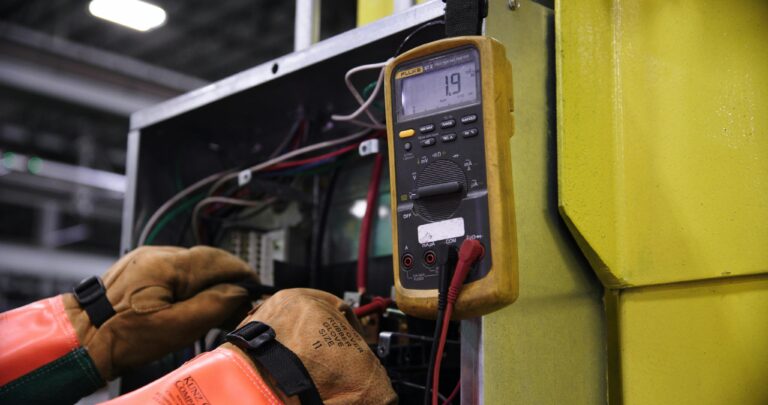
Unlike mechanical components, which show visible signs of wear, electrical issues tend to build silently. A terminal that loosens over time from vibration or thermal expansion might go unnoticed—until it starts to arc, fails intermittently, or causes a complete shutdown. Small points of failure compound over time, gradually undermining machine performance.
Even well-built control panels are vulnerable to:
- Dust and contamination that can clog ventilation, coat components, and reduce thermal efficiency
- Loose terminals caused by vibration, expansion, heat, or improper torque during installation
- Oxidized or corroded conductors that create resistance and unreliable grounding
- Improperly crimped ferrules or damaged wiring from years of mechanical stress or improper
initial install - Mismatched labeling and outdated documentation, which slow down troubleshooting during a fault
- Water / oil / coolant ingress or condensation that accelerates corrosion, insulation degradation and
components failure
- Dust and contamination that can clog ventilation, coat components, and reduce thermal efficiency
- Loose terminals caused by vibration, expansion, heat, or improper torque during installation
- Oxidized or corroded conductors that create resistance and unreliable grounding
- Improperly crimped ferrules or damaged wiring from years of mechanical stress or improper
initial install - Mismatched labeling and outdated documentation, which slow down troubleshooting during a fault
- Water / oil / coolant ingress or condensation that accelerates corrosion, insulation degradation and
components failure
In high-output facilities, these issues often escape detection during day-to-day operations, especially in systems that run continuously and can’t be easily shut down for inspection.
What Is Preventative Maintenance for Control Systems?
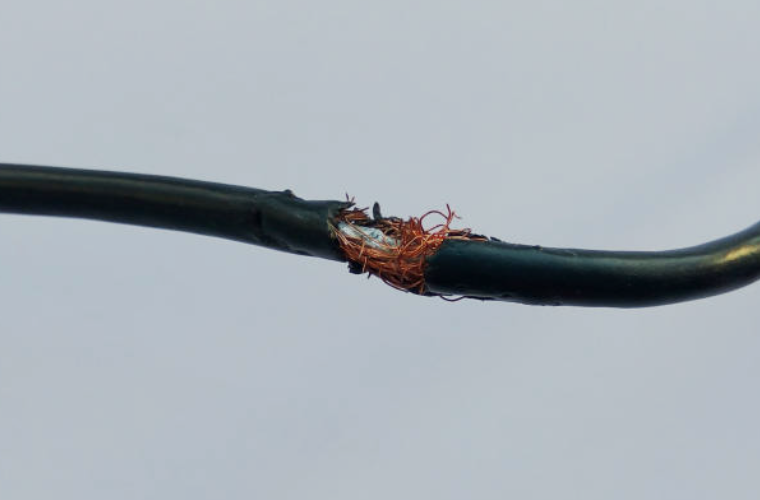
Preventative maintenance for Control Systems refers to scheduled inspections, testing, and corrections designed to preserve the safety, reliability, and performance of your electrical control system. PM reduces the likelihood of unplanned failures by identifying and resolving small issues before they escalate.
A thorough electrical PM program includes:
- Visual inspections for heat discoloration, cracked insulation, physical damage, and contaminants
- Connection checks on control circuit and power circuit connections
- Crimp and ferrule integrity checks to spot weak or deteriorating ferrules and terminals
- Wire duct and cable management reviews to tidy cables, prevent abrasion and reduce heat buildup and tracing time
- Label and documentation audits to align field conditions with schematics
- Dust, oil and debris cleaning of components, cables, wireways, and enclosures
- Thermal imaging to detect heat anomalies that signal poor connections or overloads
- Resistance checks across circuits (e.g., fuses, contactors, disconnects, overloads) to identify
abnormal voltage drops - Megohmmeter insulation testing on motors, transformers, and power wiring where necessary,
helping detect insulation breakdown before it results in faults - Functional checks of safety circuits to ensure emergency stops, interlocks, and protective devices are working as intended
- Visual inspections for heat discoloration, cracked insulation, physical damage, and contaminants
- Connection checks on control circuit and power circuit connections
- Crimp and ferrule integrity checks to spot weak or deteriorating ferrules and terminals
- Wire duct and cable management reviews to tidy cables, prevent abrasion and reduce heat buildup and tracing time
- Label and documentation audits to align field conditions with schematics
- Dust, oil and debris cleaning of components, cables, wireways, and enclosures
- Thermal imaging to detect heat anomalies that signal poor connections or overloads
- Resistance checks across circuits (e.g., fuses, contactors, disconnects, overloads) to identify
abnormal voltage drops - Megohmmeter insulation testing on motors, transformers, and power wiring where necessary,
helping detect insulation breakdown before it results in faults - Functional checks of safety circuits to ensure emergency stops, interlocks, and protective devices are working as intended
A modern PM program also involves recording trends; torque values, thermal profiles, resistance measurements, etc—so that slow-developing issues can be tracked over time.
Frequency: How Often Is Enough?
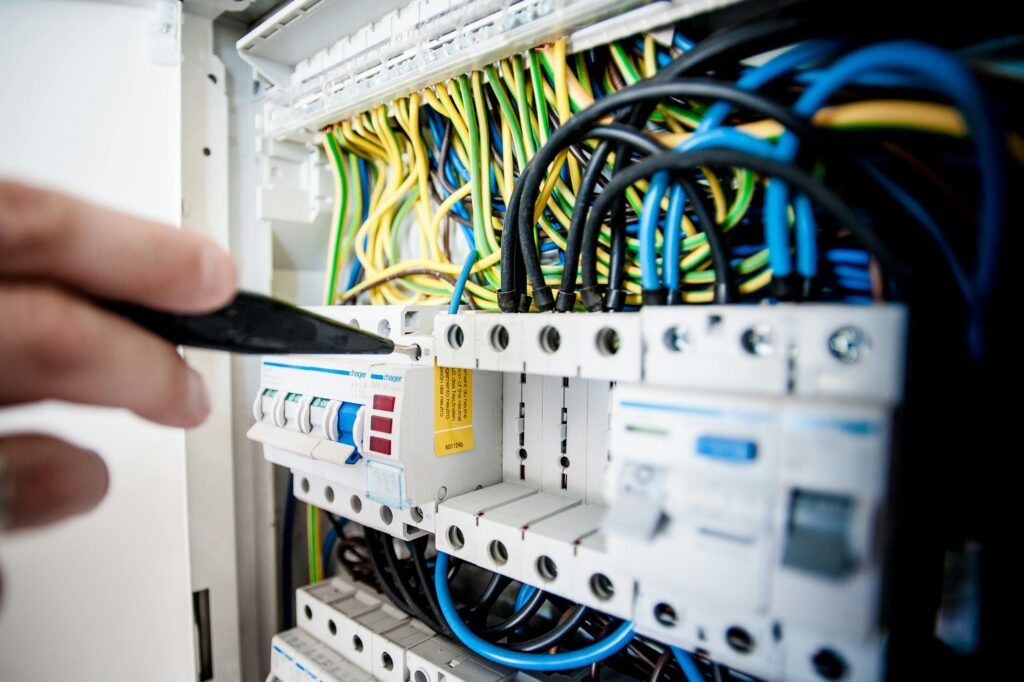
PM frequency depends on factors like environment, load, and machine criticality:
- Every 3–6 months: High-dust or oil, high-humidity, or high-vibration environments (automotive manufacturing, woodworking, food processing, automotive stamping, 24/7 operations)
- Every 6–12 months: Standard industrial environments with moderate duty cycles
- Seasonally or after environmental changes: Locations with large seasonal temperature swings, or equipment exposed to outdoor conditions
- Every 3–6 months: High-dust or oil, high-humidity, or high-vibration environments (automotive manufacturing, woodworking, food processing, automotive stamping, 24/7 operations)
- Every 6–12 months: Standard industrial environments with moderate duty cycles
- Seasonally or after environmental changes: Locations with large seasonal temperature swings, or equipment exposed to outdoor conditions
Of course, the above is just a guideline, and more frequent checks are even better.
Age also matters: Older equipment typically benefits from more frequent attention, as aging insulation, obsolete terminations, and corroded components introduce risk.

Who Should Perform Preventative Maintenance?
PM is not just about cleaning—it’s about detailed evaluation, accurate measurement, and informed adjustments. Qualified personnel should:
- Hold a valid Ontario electrical license (309A or 442A)
- Understand control panel and machine wiring design, industrial control and safety circuits, and component functions
- Use calibrated tools (e.g., torque wrenches, megohmmeters, thermal cameras, multimeters)
- Follow documented procedures and provide clear reports
Third-party PM providers bring impartiality, fresh perspective, and consistency. They also reduce the burden on in-house teams focused on daily production demands.
The Real Value of Preventative Maintenance
Preventative maintenance offers concrete benefits:
- Reduced downtime: Early intervention prevents costly breakdowns.
- Improved safety: Well-maintained panels minimize arc flash, shock, and fire risks.
- Longer component life: Proper torque, clean environments, and healthy insulation extend equipment lifespan.
- Faster troubleshooting: Clean, labeled, and documented panels allow quick fault isolation.
- Professional image: Well-maintained systems impress inspectors, clients, and partners.
- Reduced downtime: Early intervention prevents costly breakdowns.
- Improved safety: Well-maintained panels minimize arc flash, shock, and fire risks.
- Longer component life: Proper torque, clean environments, and healthy insulation extend equipment lifespan.
- Faster troubleshooting: Clean, labeled, and documented panels allow quick fault isolation.
- Professional image: Well-maintained systems impress inspectors, clients, and partners.
The small cost of PM pays for itself many times over through avoided outages, safer work conditions, and fewer emergency service calls.

Trouble Spots We See Often
From years of fieldwork, common failure points include:
- Loose power and neutral connections causing overheating or nuisance tripping
- Loose control connections causing intermittent machine operational conditions
- Overloaded or disorganized wireways trapping heat and making tracing wiring problematic
- Undetected insulation failure due to water/fluid ingress or aging
- Damaged or unmarked conductors complicating repairs and troubleshooting
- Bypassed or failed safety devices creating hazards
- Loose power and neutral connections causing overheating or nuisance tripping
- Loose control connections causing intermittent machine operational conditions
- Overloaded or disorganized wireways trapping heat and making tracing wiring problematic
- Undetected insulation failure due to water/fluid ingress or aging
- Damaged or unmarked conductors complicating repairs and troubleshooting
- Bypassed or failed safety devices creating hazards
Each issue on its own may seem minor. Together, they add up to system risk.
Don’t Wait for Failure to Pay Attention
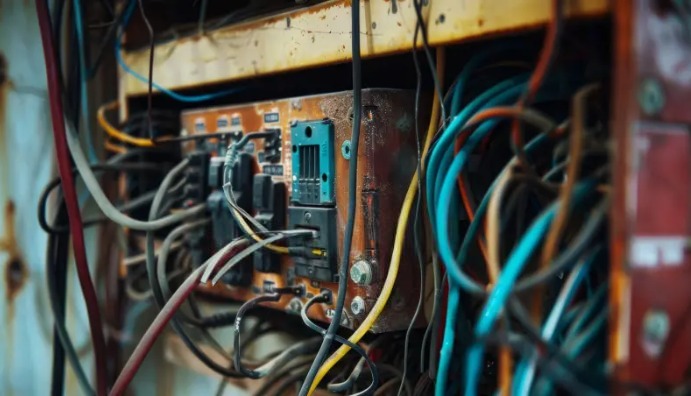
Preventative maintenance isn’t just good practice—it’s essential to sustainable operations. In a well-run facility, PM is seen as an investment, not a cost. Consistent, high-quality PM builds trust in your equipment and confidence in your team.
Where Electrilogix Can Help
Electrilogix offers a comprehensive panel maintenance and cleanup program that includes all the key elements discussed above.
- Detailed inspections
- Torque and resistance checks
- Thermal imaging
- Megohmmeter insulation testing (as needed)
- Cleaning, re-labeling, and wire management
- Re-install or replacement of panduit covers
- Full reporting with recommendations
We don’t leave until your equipment is safe, clean, and back in service. Contact us today to learn how we can help protect your operation and extend the life of your equipment.