More Than Just Panel Assembly
When selecting a control panel shop, it’s easy to focus on price, lead times, and location. While these factors are important, the long-term success of a partnership often depends on something less visible: the panel shop’s standards, processes, and commitment to safety.
If you’re evaluating partners for industrial control panel assembly, it’s important to understand the systems and procedures that support consistent quality and reliable project execution.
A panel may leave the shop looking clean and professional, but without robust quality systems behind it, problems can surface during commissioning, startup, or years later during maintenance.
Here are some key areas every machine builder, OEM, and industrial client should evaluate before choosing a panel shop.
1. Documented Quality Standards
Ask whether the panel shop has written quality standards that all builders follow.
Without documented standards, each panel builder may approach tasks differently, resulting in inconsistent quality from project to project.
Look for standards covering:
- Wire routing and segregation
- Ferrule and connector usage
- Labelling
- Grounding and bonding methods
- Wire color conventions
- Component spacing
- Torque requirements
- Documentation practices
The best panel shops build every panel to the same standard regardless of who performs the work. Consistency reduces errors, improves maintainability, and creates a predictable product for both the machine builder and the end user.
2. Formal Inspection and Quality Control Processes
A quality panel build should not rely solely on the experience of the builder.
Ask whether the shop performs documented inspections before shipment.
Examples include:
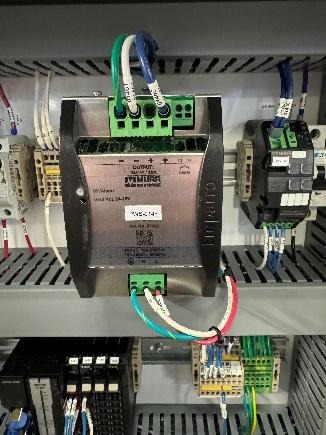
- Wire termination verification
- Component verification against BOM
- Label inspection
- Grounding and bonding checks
- Point-to-point wiring verification
- Torque verification where applicable
- Final visual inspection
A structured QC process significantly reduces field issues and startup delays while providing confidence that the finished panel matches the design intent.
3. Testing Procedures
Testing should be a standard part of every build, not an afterthought.
Depending on the application, a panel shop may perform:
- Continuity testing
- Power-up verification
- I/O verification
- Functional testing
- Hi-Pot testing
- Control voltage verification
- Safety circuit testing
Ask for a copy of the shop’s testing procedures and whether test records can be supplied with the completed panel.
For OEMs requiring support with control panel testing, inspection, documentation, and assembly, understanding a panel shop’s quality systems can help reduce commissioning issues and startup delays.
4. Safety Culture
Safety isn’t just a field concern—it starts in the panel shop.
A professional panel shop should have procedures addressing:
- Lockout/tagout
- Electrical safety
- Arc flash awareness
- Tool inspection
- Material handling
- PPE requirements
- Housekeeping standards
A strong safety culture typically translates into higher-quality workmanship and reduced risk for both the panel shop and the customer.
Safety-focused organizations understand that quality and safety go hand in hand. Shops that emphasize safe work practices tend to produce more consistent results and experience fewer costly mistakes.
5. Documentation Control
Good documentation is critical to efficient installation, commissioning, and future maintenance.
Ask how the shop manages:
- Drawing revisions
- Red-line markups
- As-built documentation
- BOM updates
- Engineering change notices
- Customer standards
A panel shop should have a process to ensure the panel delivered matches the latest approved drawings.
Strong documentation control reduces confusion, prevents costly rework, and helps ensure the finished product accurately reflects any changes made throughout the project.
6. CSA, UL, and Field Evaluation Knowledge
Not every project requires certification, but every panel shop should understand the applicable requirements.
Discuss their experience with:
- CSA requirements
- SPE-1000 field evaluations
- SCCR considerations
- Component approvals
- Industrial control panel construction standards
A knowledgeable panel shop can help identify potential compliance issues before they become costly problems.
Even when a project does not require certification, an understanding of industry standards often results in better panel design, construction, and long-term reliability.
7. Inventory and Material Management
Material shortages can quickly derail schedules.
Look for shops with organized processes for:
- Material receiving
- Component verification
- Inventory management
- Consumable control
- Customer-supplied materials
Strong material management helps prevent delays and reduces the risk of incorrect components being installed.
An organized shop environment also improves productivity and allows builders to focus on quality workmanship rather than searching for parts and materials.
8. Communication and Project Tracking
One of the most overlooked aspects of a successful partnership is communication.
Ask how the shop handles:
- Schedule updates
- Design questions
- Scope changes
- Material shortages
- Customer approvals
The best panel shops operate as an extension of your team, providing visibility throughout the build process rather than simply delivering a finished product.
If you’re considering outsourcing OEM panel builds or need additional capacity to support your internal resources, it’s worth discussing how a panel shop will communicate throughout the project lifecycle.
For questions about your next project, contact us to discuss your requirements.
Final Thoughts
A control panel shop should provide more than assembly labour. The right partner brings documented standards, proven quality processes, strong safety practices, and clear communication to every project.
When evaluating a control panel shop, look beyond hourly rates and lead times. Ask about their procedures, inspection processes, testing standards, and safety programs. These systems are often the difference between a panel that simply works and a panel that performs reliably for years to come.
At Electrilogix, we’re building our operation around standardized work instructions, documented quality procedures, structured testing practices, and a safety-first culture to help machine builders and industrial clients receive consistent, high-quality results on every project.
Whether you’re looking for a long-term industrial control panel assembly partner or temporary overflow support during peak production periods, selecting a panel shop with documented standards, proven testing procedures, and a strong safety culture can significantly reduce project risk and improve overall project outcomes.
Whether you require industrial control panels, motor control panels, OEM panels, HMI or computer enclosures, or overflow production support, we’re always interested in discussing how we can support your team.
Contact us to learn more about our panel building capabilities and project support services.